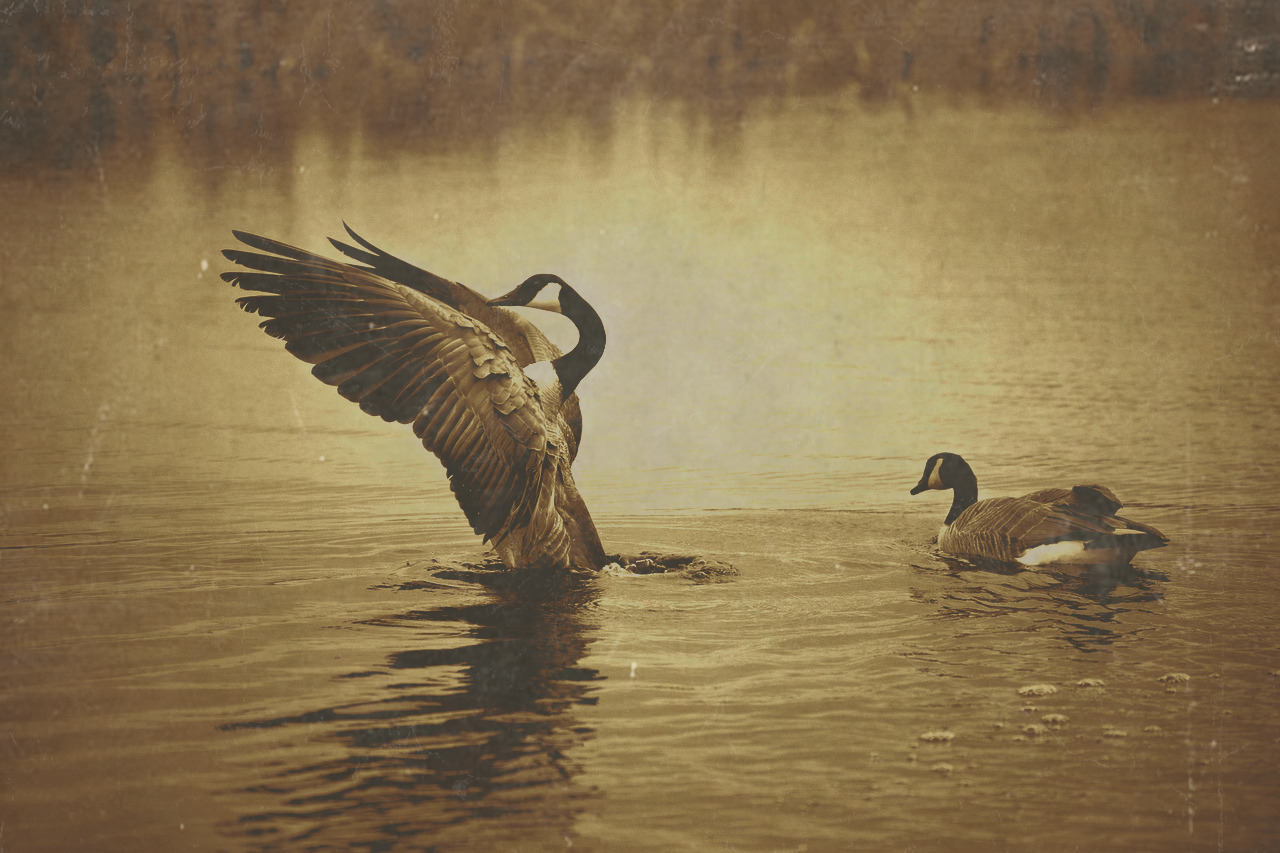
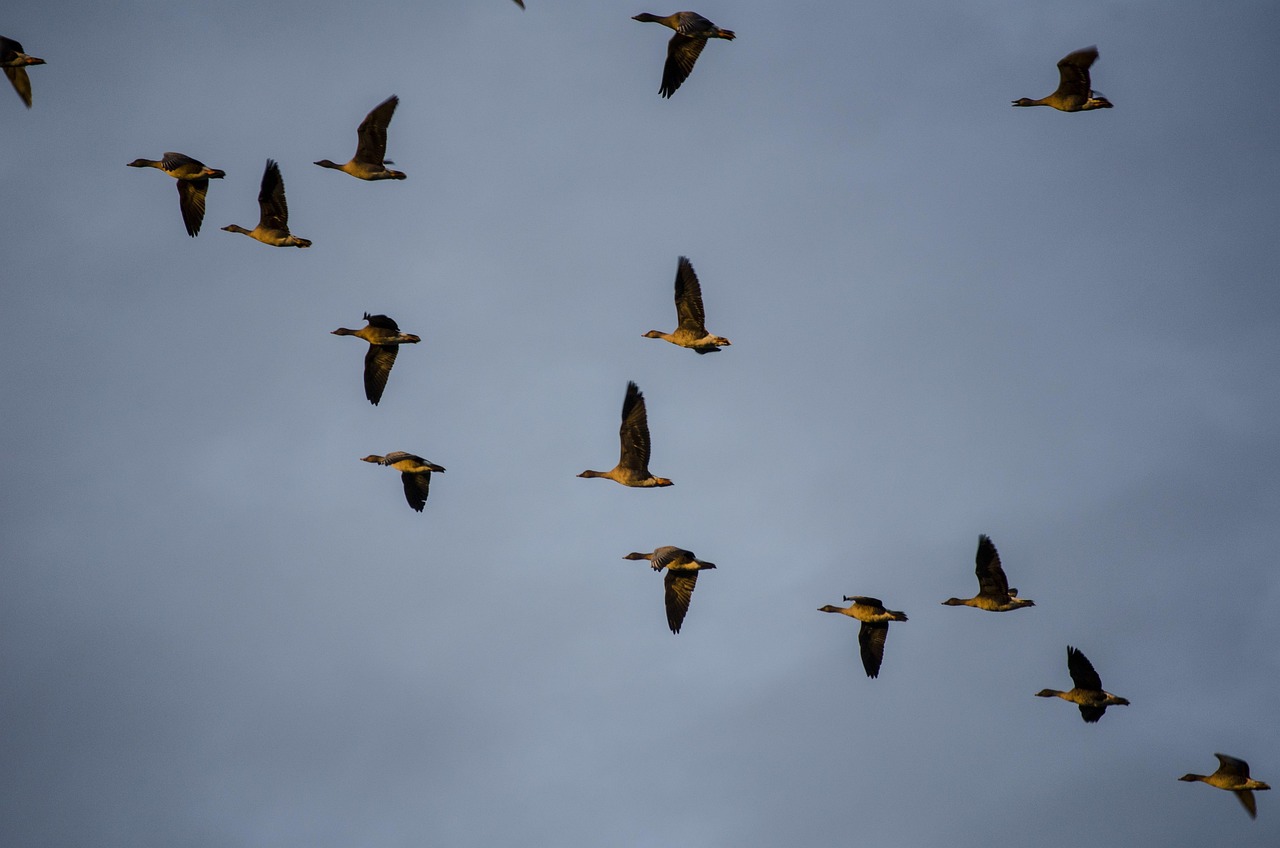
Before there were trails cut through forests or weapons built for speed and pursuit, there was the sky. And in the sky, there were geese—moving in loud, visible lines that told early people what the season was about to become.
Goose hunting didn’t start as sport. It started as pattern recognition. The first hunters who survived year after year weren’t the strongest—they were the ones who noticed that geese returned on schedule, fed in the same kinds of places, and changed the entire landscape just by passing overhead.
1. The First Pattern Humans Learned to Read
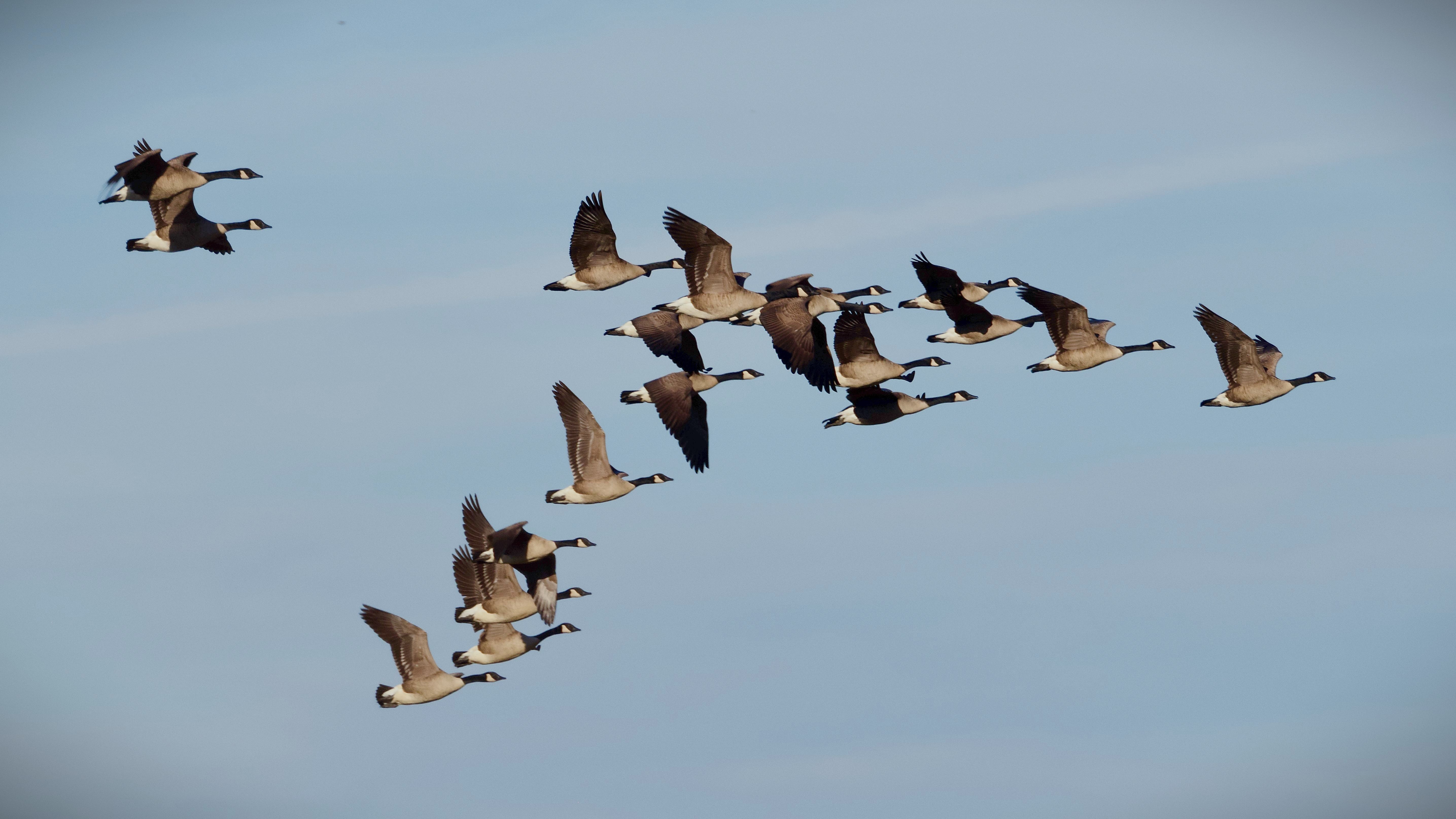
Migration is one of the most obvious rhythms in the natural world. You don’t need a map to understand it—just eyes, patience, and enough seasons to connect the dots. When geese arrived, weather was shifting. When they left, scarcity often followed.
- Visibility: geese travel in daylight, in open sky, in formations you can’t miss.
- Reliability: the same routes, the same wetlands, the same seasonal timing.
- Signal: their presence marks change—cold coming, thaw arriving, food moving.
That’s why geese mattered early: they weren’t just animals. They were a calendar written across the horizon.
2. Why Geese Became a Target So Early
Deer and elk require tracking, stalking, and a lot of ground covered. Predators were dangerous. Small game was inconsistent. Geese offered a different kind of opportunity: numbers, predictability, and repeatable behavior.
When humans learned where geese fed and where they rested, the hunt became less about chasing and more about showing up on time. If you were in the right place, the birds did the traveling for you.
Geese don’t hide from you. They test whether you understand the world they live in.
3. Goose Hunting Taught Humans to Wait
Goose hunting rewards the opposite of impulse. It taught an early lesson that still separates consistent hunters from average ones: success often comes from stillness, not motion.
- Location: shorelines, marsh edges, feeding flats, and travel corridors.
- Concealment: cover first, movement last.
- Timing: the hunt is decided long before the birds appear.
That waiting isn’t passive. It’s active attention—wind, light, sound, pressure, the way the day is unfolding. Goose hunting is one of the oldest examples of humans adapting instead of dominating.
4. The Sound That Triggers Something Old
Even now, the call of geese overhead makes people stop. Heads tilt up. Conversations pause. It’s a response deeper than culture—an instinct that predates comfort.
For early people, that sound meant opportunity: meat, feathers, fat, survival. For modern hunters, it still means something—because it connects the present to a rhythm that never really changed.
5. The Hunt Was Often a Community Effort
Because geese travel in groups, hunting them often became a shared job. Early hunts weren’t always about one person’s skill—they were about cooperation: multiple hunters working a location, coordinating timing, sharing the harvest.
- Shared labor: building cover, setting traps, watching routes.
- Shared reward: meat and feathers divided across families.
- Shared knowledge: migration timing learned and passed down.
That social thread still runs through modern goose hunting. Few hunts are as communal as a morning in a blind—because the work and the waiting are better when they’re shared.
6. Adaptation Without Domination
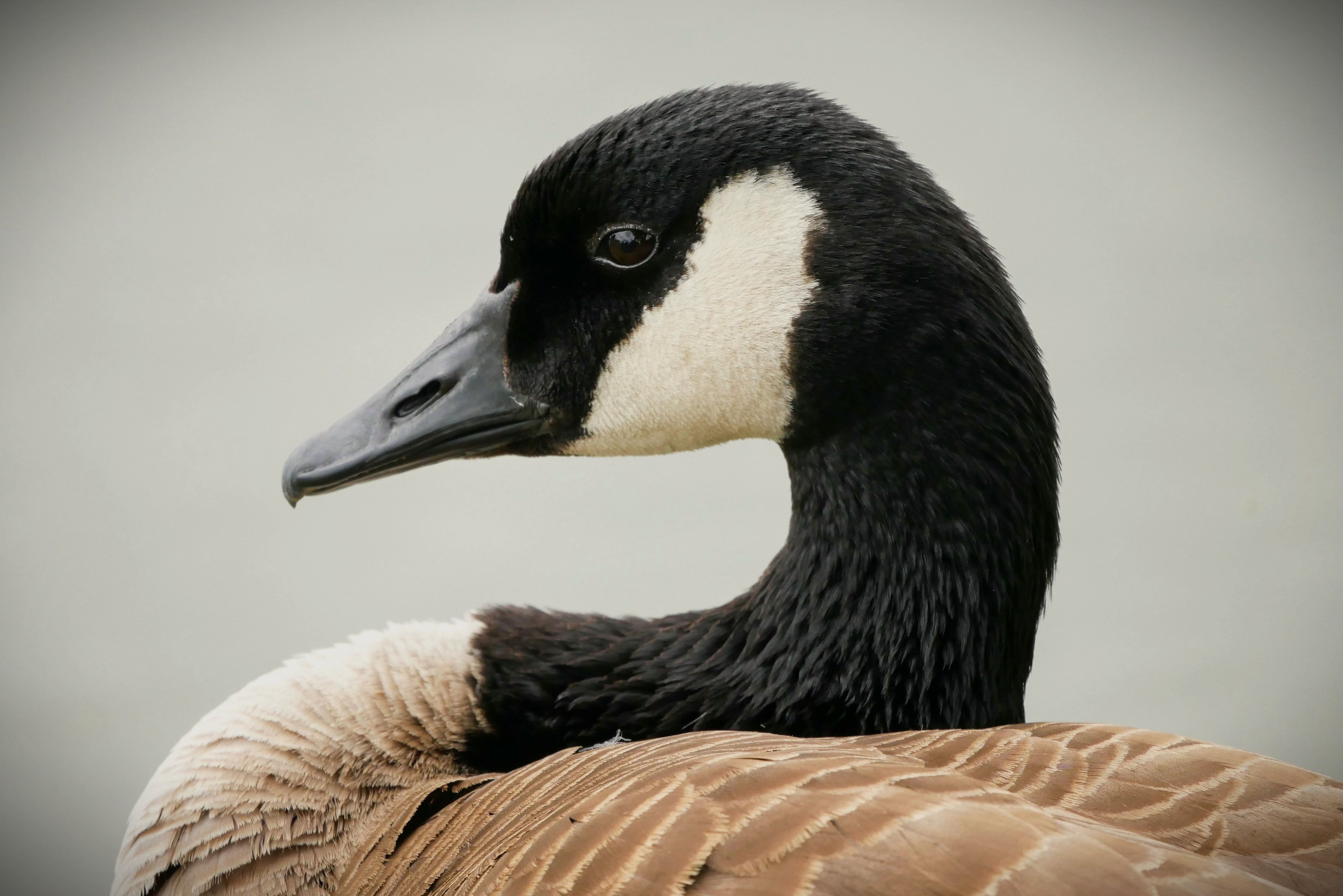
Goose hunting evolved toward adaptation. Hunters didn’t overpower geese; they learned to operate inside the geese’s rules: wind direction, approach angles, landing zones, pressure.
That’s why geese remain a worthy animal to hunt. They’re not easy. They’re not careless. They’re not predictable in the way people wish they were. They force humility.
The best goose hunters don’t look like they’re hunting. They look like they belong there.
7. From Survival to Tradition—and Why It Still Matters
As societies stabilized, goose hunting didn’t disappear. It turned into a ritual. A season marker. A reason to wake up early and be outside when the world is still quiet.
In a modern world built for speed, goose hunting forces slowness. You plan. You wait. You miss sometimes. You learn. And when it finally comes together—when birds work the wind and commit—you feel something that doesn’t belong to the modern world at all.
A Connection That Never Left
Humans have always hunted geese because geese have always moved through our lives in the open—visible, loud, seasonal, and reliable. They taught early humans how to read the world, and they still teach modern hunters the same lesson: pay attention, show up, and be patient enough to let the moment come to you.
The tools have changed. The reasons have evolved. But when geese cut across a cold sky, something old still wakes up— and the history continues.