Bowhunting is simple on paper: hit the lungs and the deer won’t go far. But the woods don’t hand out textbook broadside shots. Angles change. Posture changes. Brush changes the window. And the vitals themselves shift as the deer moves.
The hunters who fill tags consistently aren’t the ones with the newest bow or the sharpest broadhead—they’re the ones who understand what the vitals are doing right now, not what they look like on a 3D target in August.
1. Where the Vitals Actually Sit Inside a Deer
Most hunters aim too far forward, too high, or too “diagram perfect.” Real lungs sit farther back than people think. The heart is low. And the liver is larger—and easier to hit—than most folks realize.
- The heart: low, tucked tight between the shoulders.
- The lungs: tall, but narrow; shaped like two long teardrops.
- The liver: just behind the ribs; lethal, but slow to kill.
The best shot is one that sends the arrow forward through the chest cavity and exits behind the opposite shoulder. That angle destroys everything that keeps a deer alive.
2. The Broadside Shot: The Boiler Room Window
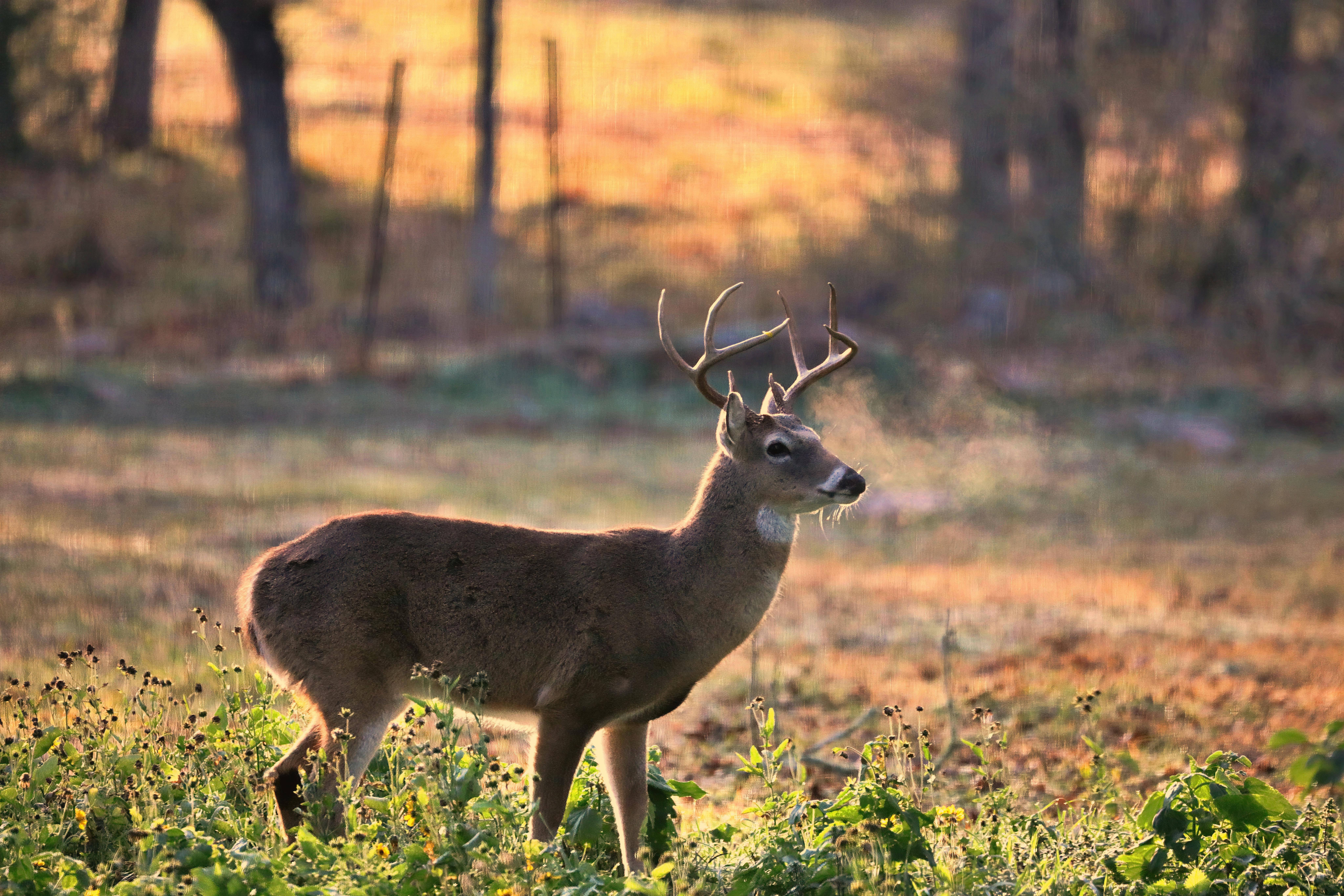
If every deer stood perfectly broadside, this sport wouldn’t be nearly as hard. But when you do catch this angle, it’s the most forgiving shot in bowhunting.
Where to aim
- One-third up from the brisket
- Two to three inches behind the crease
- Imagine your arrow exiting behind the far shoulder
Don’t shoot at the crease—shoot through the lungs. The exit is the kill.
If the deer drops—and many do—you still hit lungs. If it doesn’t, you center-punch both sides of the chest cavity.
3. Quartering Away: The High-Percentage Bowhunter’s Shot
A slightly quartering-away deer is the most lethal angle in the woods. The shoulder is out of play, the vitals are exposed, and your arrow travels through the most tissue-rich kill channel possible.
Where to aim
- Aim toward the inside of the opposite shoulder
- Entry will look “back,” but the internal path is perfect
- The steeper the angle, the farther back you start
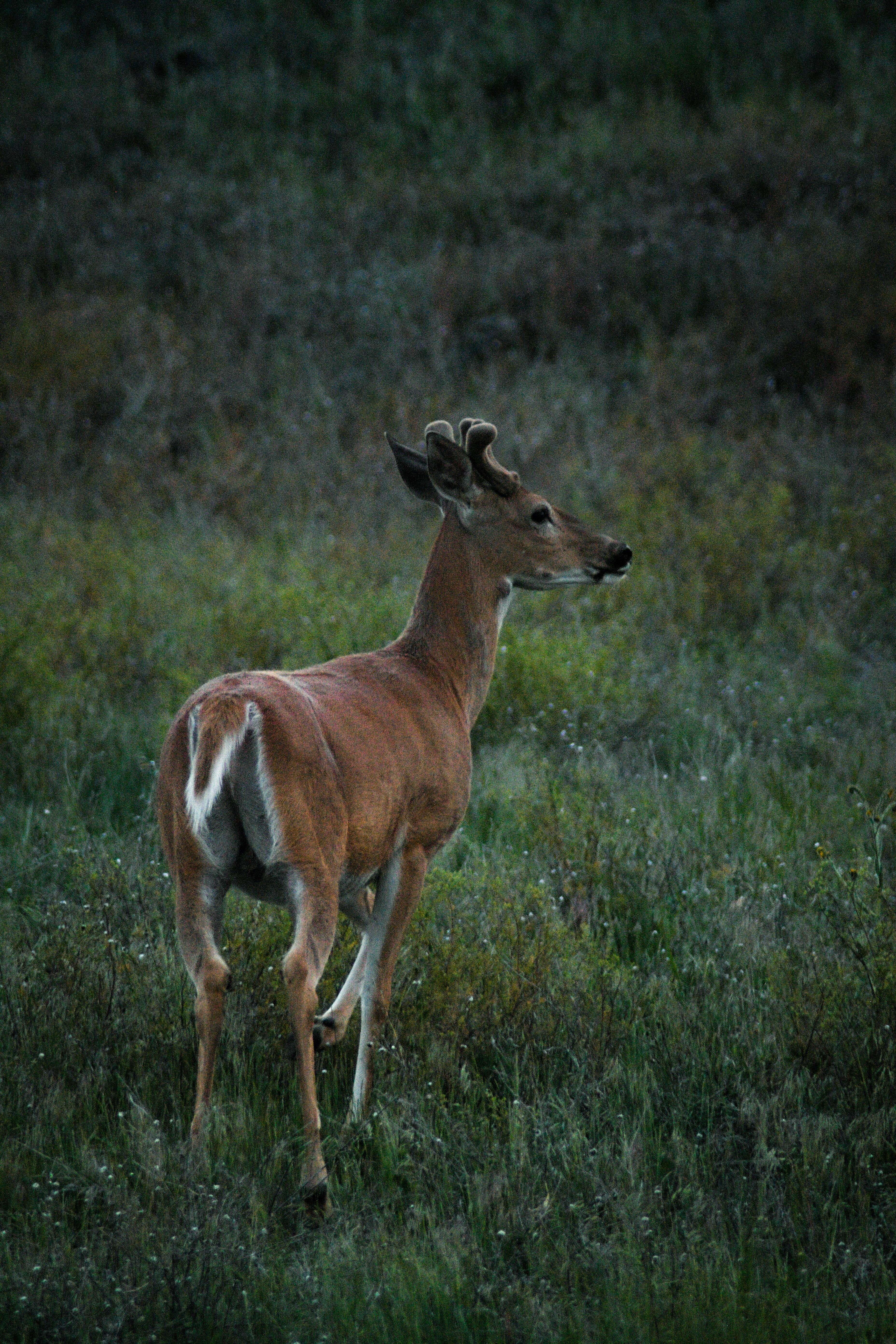
Many hunters shy away because the entry looks farther back than they’re used to seeing. But inside the chest cavity, this angle destroys the heart, lungs, and major vessels in one pass.
4. Quartering Toward: The Shot Most Hunters Shouldn’t Take
Quartering-toward deer create two problems:
- The shoulder shields the vitals.
- Your arrow may only reach one lung.
Can you kill a deer with this shot? Absolutely. Should most bowhunters take it? No.
Only take it if:
- You’re inside 20 yards
- The angle is very slight
- You have a heavy, well-tuned arrow setup
5. Straight-On and Straight-Down: Know When to Hold Your Fire
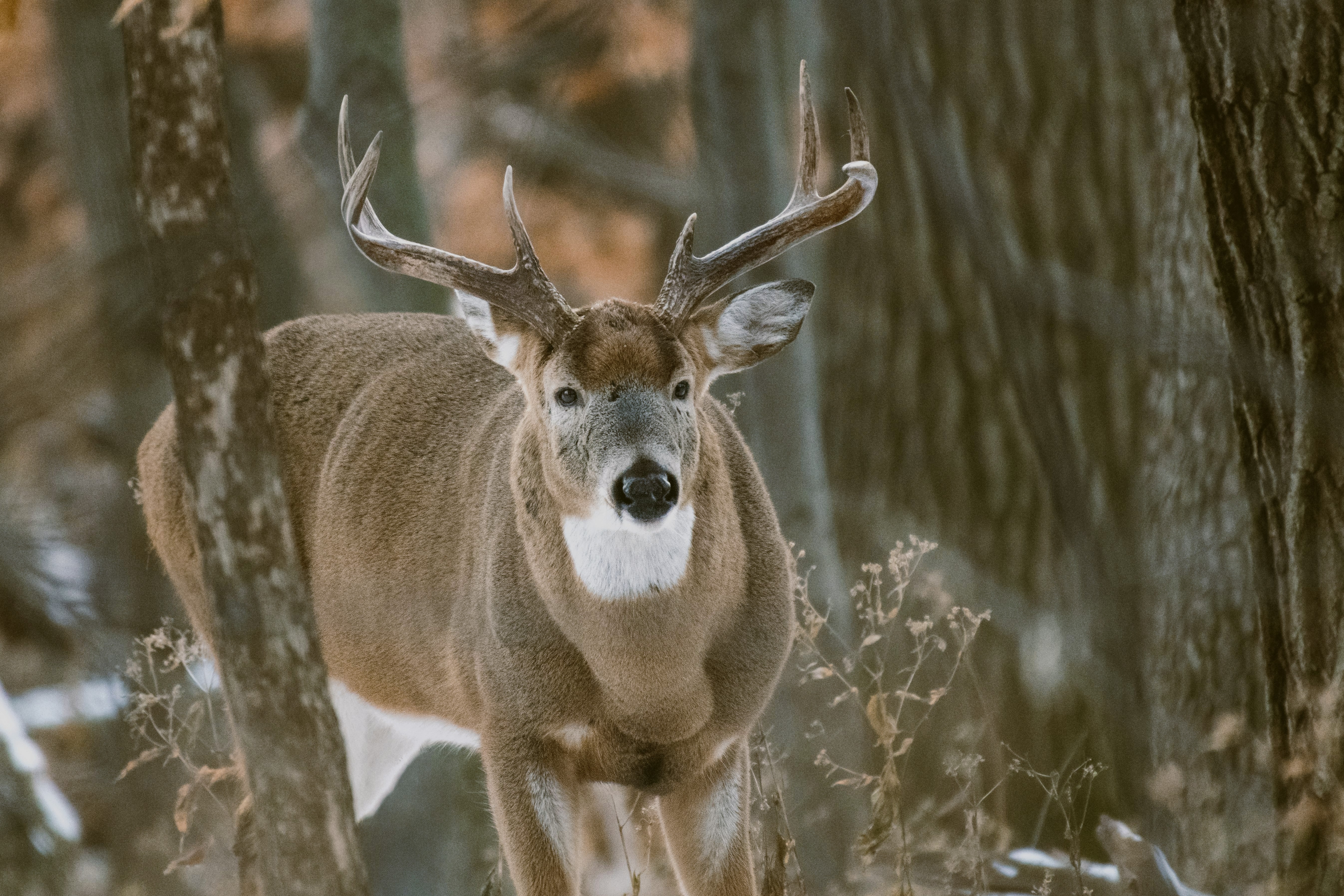
These are the two most common shots that ruin a season. From a tree stand, many hunters get tempted by the “down the back” angle. But straight-down deer shrink the vital zone to the size of a coffee mug.
Straight-on shots
Too much bone, too little margin. Pass unless you shoot a crossbow or rifle.
Straight-down shots
You might hit one lung and guts—and that deer may not be found. Wait for a step forward.
6. When to Draw: The Realistic Cues That Matter
Forget the ear-reading, lip-licking, micro-behavior stuff. Hunters don’t operate with that much time. What matters is whether the deer is:
- Committed to a trail
- Feeding with a relaxed posture
- Looking away at another sound
- Walking behind a tree trunk (natural blind)
Don’t draw on a deer that’s searching. Draw on a deer that’s doing something.
Movement kills more hunts than noise. Draw when you know you can finish the shot, not when you hope the deer doesn’t notice.
7. Impact Reactions That Tell You What You Hit
What the deer does after the shot tells you where the arrow went:
- Mule kick + hard sprint: high lungs or spine shock.
- Tail tucked + fast exit: perfect double lung or heart.
- Hunched + slow trot: liver—back out for hours.
- Wobble, tail flick: gut—don’t push or you’ll lose it.
The goal isn’t to make a perfect shot every time. It’s to recognize what happened and make the recovery decision that gets the deer in the truck.
The Shot Is a Moment—But the Season Builds It
Shot placement isn’t a diagram. It’s a moving, shifting, real-time decision made in the only ten seconds that matter all fall. Learn the vitals. Learn the angles. Learn the windows you can kill in—and the ones you need to let walk.
When you stop forcing shots and start choosing them, that’s when bowhunting starts to feel inevitable instead of unpredictable.