
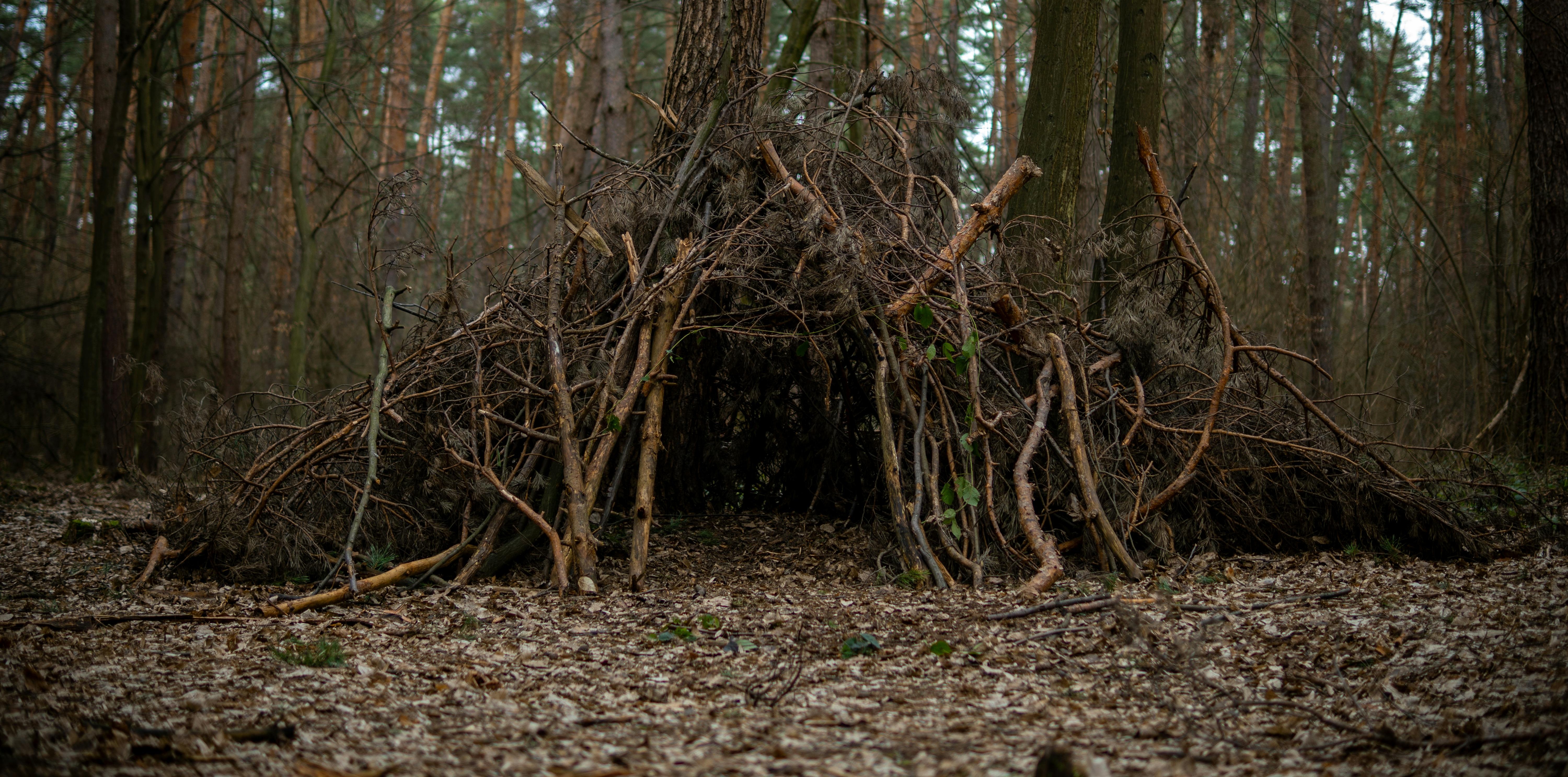
Strip bushcraft down to its bones—past YouTube tricks, past trendy gear—and it always comes back to four pillars: fire, water, shelter, and tools. Every wilderness skill grows from these. Every survival story depends on them.
Real bushcraft isn’t about suffering. It’s not about proving how miserable you can be before you tap out. It’s about understanding how the land works, then using that knowledge to live simply, efficiently, and with a little pride in what your hands can do.
1. Fire — Control of Heat, Light & Morale
Fire is more than warmth. In a backcountry setting, it becomes a moral anchor, a water purifier, a cooking system, a predator deterrent, and a signaling tool. When the weather turns, the person who can build fire on purpose is the one making decisions instead of excuses.
Traditional Fire Principles
- Working with feather sticks, bark curls, and resin pockets
- Understanding bow drill, hand drill, and spindle materials
- Knowing the difference between tinder, kindling, and structure
Modern Fire Enhancements
- Ferro rods paired with high-magnesium content scrapers
- Stormproof matches as a quick, dirty backup
- Commercial tinder tabs plus natural backups in your environment

2. Water — Locating, Collecting & Making It Safe
Water is the only pillar with a non-negotiable clock. At rest, a human can only go a couple of days without it — less if you’re sweating, hiking, or bleeding. Bushcraft isn’t just about “finding water,” it’s about doing it without panicking or burning unnecessary energy.
Traditional Methods
- Solar stills built in sandy or low-lying ground
- Transpiration bags on leafy branches to pull moisture
- Boiling with hot stones dropped into carved wooden bowls or bark containers
Modern Enhancements
- Hollow-fiber squeeze filters (Sawyer, Katadyn-style systems)
- UV pens for quick disinfection on the move
- Chemical tablets as a light, reliable backup
The real skill, though, is reading terrain: valleys, green belts, animal trails, and sudden changes in vegetation density all point to where water wants to collect.
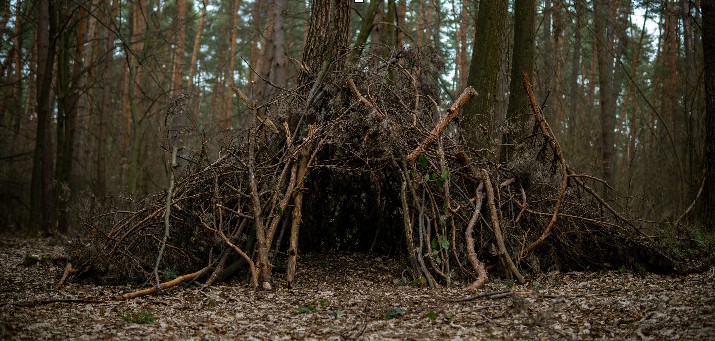
3. Shelter — Temperature and Time Management
Shelter is controlled energy efficiency. The goal isn’t luxury—it’s reducing how hard your body has to work to maintain core temperature. A good shelter lets you rest. A bad shelter costs you energy all night long.
Traditional Principles
- Debris huts that trap dead air and insulate from wind
- Lean-tos with reflective walls to bounce fire heat back
- Raised beds to get you off cold, wet ground
Modern Tools
- Tarp shelters pitched low with solid ridgelines
- Lightweight bivvy sacks as an emergency micro-shelter
- Paracord systems for fast, adjustable anchor points
4. Tools — Extending Human Ability
Tools are leverage. In the bush, your knife, saw, and axe extend your hands into wood, bone, and fiber. You don’t need a giant loadout—you need a few tools you understand deeply.
Traditional Mindset
- One dependable blade is worth more than a pouch full of gimmicks
- Efficient axe skills save calories and reduce injury risk
- Woodcraft—knowing how different species behave—is more important than brute strength
Modern Blended Approach
- Full-tang knives in steels you can sharpen in the field
- Folding saws with aggressive tooth geometry for green and dead wood
- Compact axes or hatchets with modern handles for damp climates
Final Thoughts — Bushcraft Is a Mindset
Mastering the four pillars isn’t about ego or hardship. It’s about confidence, calm decision-making, and understanding how the land actually works. Once fire, water, shelter, and tools feel automatic, your mind is free to pay attention to the finer details: tracking, navigation, campcraft, and the small comforts that make the woods feel like home.
When you can make fire in the rain, secure safe water, build shelter from almost nothing, and shape wood with a blade, you stop merely surviving—and start living out there.